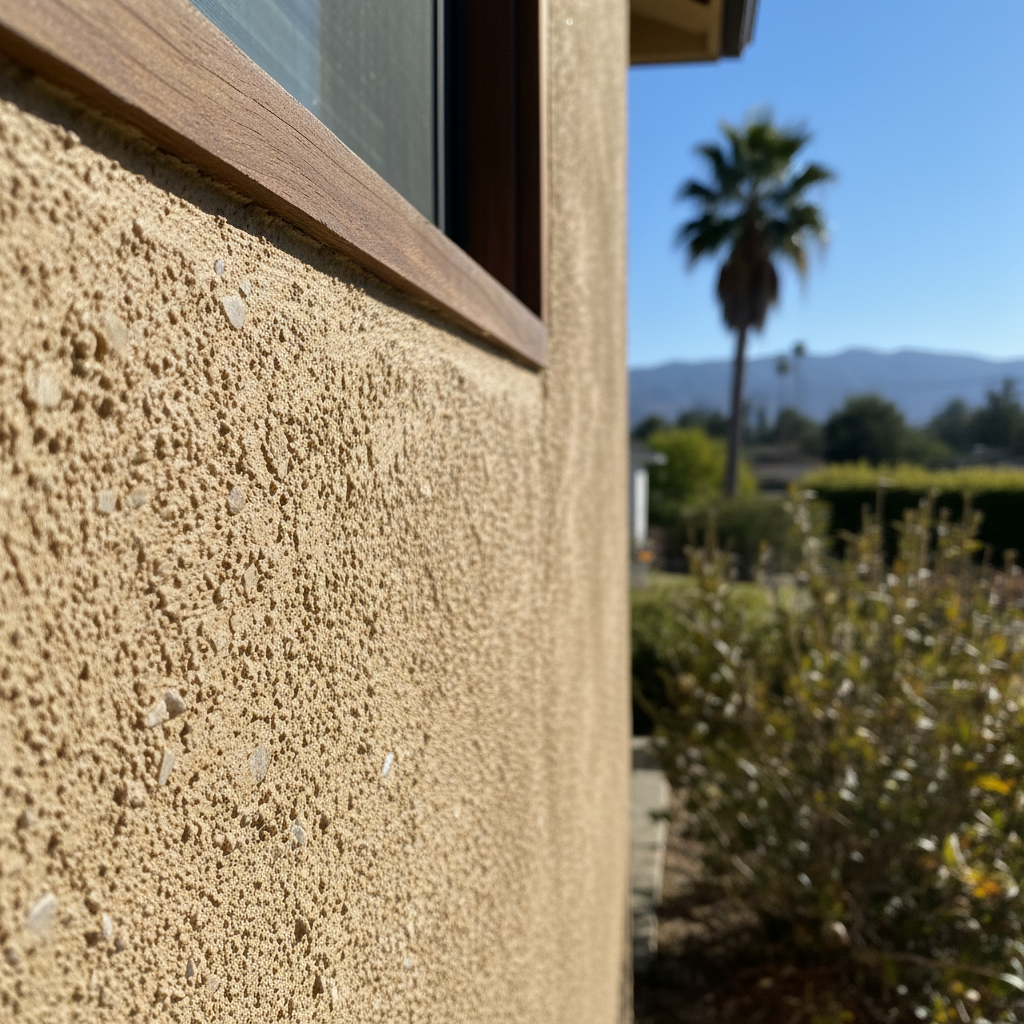
Your stucco looking a little rough these days? Maybe it's got cracks, water stains, or it's just plain old and tired. Replacing stucco isn't a small job, but it's often necessary to protect your home and keep it looking good. Let's talk about what you need to know if you're considering a full stucco replacement here in Pasadena.
Before You Start: Planning & Prep
First off, you need to figure out why you're replacing it. Is it just cosmetic, or do you have underlying water damage? If you've got persistent leaks, especially around windows or where the stucco meets the foundation, you've got bigger problems than just the stucco itself. You'll need to address those issues first, or you'll just be putting new stucco over old problems. That's a mistake I see folks make all the time.
Next, consider the scope. Are we talking about one wall, or the whole house? A small patch job is one thing, but a full replacement is a major undertaking. You'll need to think about permits. In Pasadena, any significant exterior alteration, especially involving structural integrity or a complete change of material, usually requires a permit from the city. Don't skip this; it can save you a lot of headaches down the road. Trust me, the city inspectors aren't going anywhere.
Now, about DIY versus hiring a pro. Can you replace stucco yourself? Technically, yes. Is it a good idea for a full house? Probably not, unless you've got serious construction experience. Stucco application is an art and a science. It's about proper layering, mixing, and curing. If it's not done right, you'll end up with cracks, poor adhesion, and potential water intrusion. For a small, non-critical patch, sure, give it a shot. But for a whole wall or your entire home, you're better off calling in the experts. You want this job to last for decades, not just a few years.
During the Project: What to Expect
If you're hiring a contractor, make sure they're licensed and insured. Ask for references and check their past work. You want someone who knows their stuff, especially with the different types of stucco systems out there. Here at Apex Stucco, we've seen everything from traditional three-coat systems to modern EIFS. Each has its own quirks.
The first step in a replacement is usually demolition. They'll strip off the old stucco down to the sheathing. This is where you might uncover hidden issues like dry rot, termite damage, or framing problems. Be prepared for these surprises; they're common, especially in older homes around areas like Bungalow Heaven where homes have seen many decades of weather. These issues need to be fixed before any new stucco goes on.
After demo and any necessary repairs, the new system goes on. This typically involves a weather-resistive barrier (like building paper or a synthetic wrap), lath (metal mesh), and then the multiple coats of stucco. Each coat needs proper drying time. Don't let anyone rush this process. The base coats provide the strength and water resistance, and the finish coat is what gives your home its look. You'll choose your color and texture during this phase. There are tons of options, from smooth finishes to rougher dash or sand finishes.
After It's Done: Maintenance & Longevity
Once the new stucco is on and cured, you're not entirely off the hook. Stucco is durable, but it's not maintenance-free. Keep an eye on it. Look for hairline cracks, especially after a hot Pasadena summer followed by our winter rains. Small cracks can be sealed with an elastomeric caulk. If you see larger cracks or areas where the stucco is delaminating, that's a sign to call your contractor again.
Cleaning is pretty straightforward. A gentle power wash can remove dirt and grime, but don't get too aggressive, especially with older or softer finishes. You don't want to damage the surface or force water into the wall system.
Good drainage around your home is also key. Make sure your gutters are clear and your landscaping isn't directing water towards your foundation. Stucco can handle moisture, but it's not designed to be constantly wet. Proper drainage prevents a lot of the problems that lead to stucco failure in the first place.
A well-installed stucco system, like the ones we do at Apex Stucco, should last for decades. It's a solid investment in your home's protection and curb appeal. Just remember, a little vigilance and timely repairs can go a long way in keeping your stucco looking great for years to come.