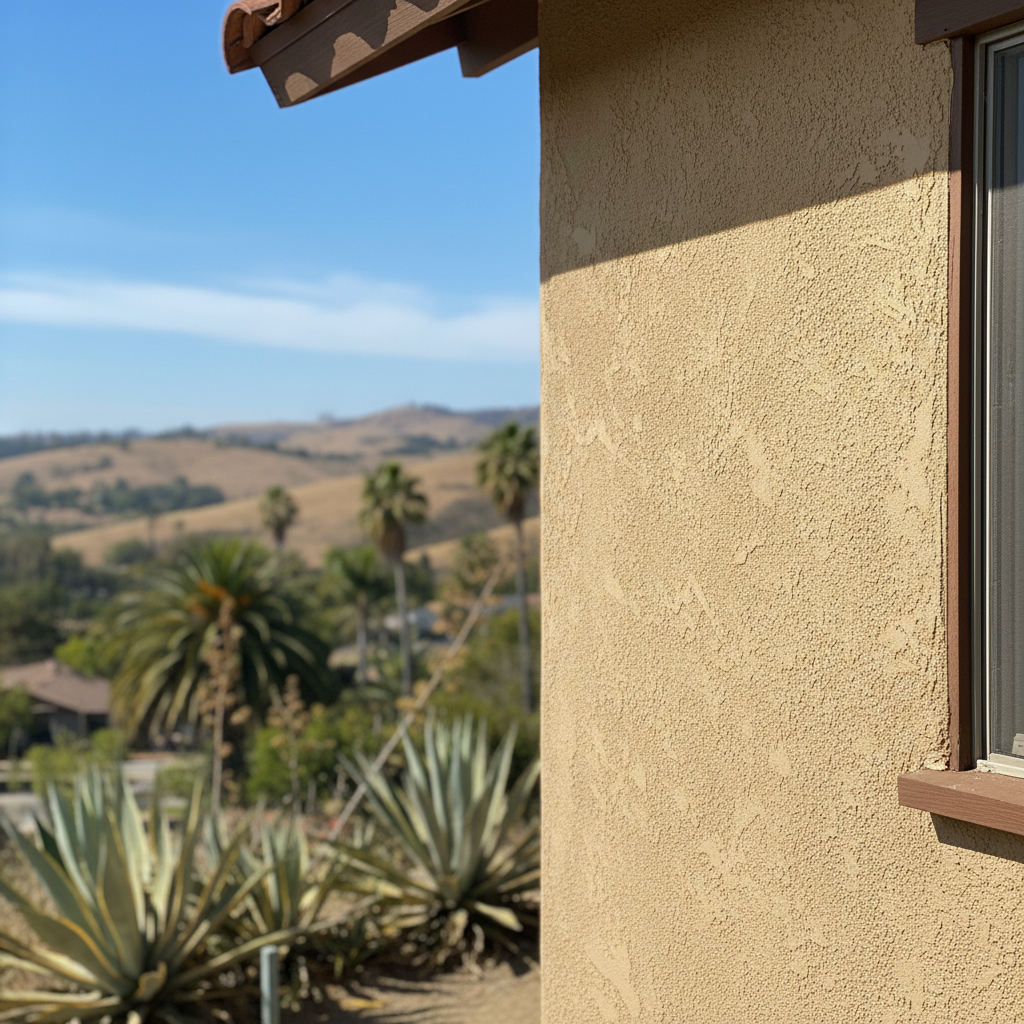
Before You Grab That Ladder: Getting Ready for Your Stucco Check-Up
Alright, let's talk stucco inspections. Maybe you've noticed something a little off with your house's exterior, or perhaps you just want to stay ahead of potential problems. Good for you. Before you even think about poking around, you should know what to look for and what you can realistically check yourself. This isn't about becoming a stucco guru overnight; it's about being a homeowner who knows their stuff.
First things first, grab a few basic tools. A good pair of binoculars is a must – seriously, they're fantastic for scoping out higher areas without risking a fall. You'll also want a flashlight, a notepad, and a pen. And if you plan on getting up close, make sure your ladder is sturdy and someone's there to spot you. Safety always comes first, right?
Think about your home's past. Have you ever dealt with water getting in? Any strange smells inside after a good rain? Did you just get a new window installed? These little details can point you toward where to focus. For example, homes in places like San Rafael Hills often have lots of mature trees. If the gutters aren't kept clear there, moisture can build up, leading to stucco problems, especially near the roofline.
Your DIY Stucco Inspection: What to Look For
Okay, let's dive into the specifics of what you can inspect yourself. You're looking for visual clues here, not trying to do some kind of invasive test. That's our job, the pros.
- Cracks: Not all cracks are the same. Those super fine ones, often called craze cracks, usually aren't a big deal; they're mostly cosmetic. But bigger cracks, especially if they run horizontally, vertically, or in a stair-step pattern (following mortar lines in the block underneath), could signal structural movement or water getting in. Pay extra close attention around windows, doors, and where different materials meet.
- Stains and Discoloration: Dark streaks, especially under windows or near the roofline, are a huge red flag. That often means water is running down the wall, dragging dirt and grime along with it. Green or black spots? Those could be mold or mildew, a sure sign of moisture hanging around for too long.
- Bulges or Soft Spots: Gently press on the stucco in different areas. Does it feel soft or spongy? Is it bulging out? That's a strong indicator of water damage behind the stucco, possibly rotting the sheathing underneath. Be super careful here – if it's soft, don't push too hard and break through.
- Efflorescence: This looks like a white, powdery residue. It's just mineral salts left behind when water evaporates from inside the stucco. It definitely means water was there, even if it's dry now.
- Sealants and Flashing: Check around every opening – windows, doors, vents, pipes, and where the stucco meets the roof or foundation. Are the sealants cracked, missing, or pulling away? Is the flashing (those metal strips) installed correctly and not bent or damaged? These spots are crucial for keeping water out.
- Drainage: Take a look at your landscaping. Is soil piled up against the stucco? Are your sprinklers hitting the wall? You really want at least 6-8 inches of clear space between the ground and the bottom of your stucco. Bad drainage is a massive reason stucco fails.
Snap some pictures of anything that looks suspicious. It helps you remember, and it's incredibly useful if you end up calling a professional.
When to Call a Pro (That's Us!)
So, you've done your visual check, and maybe you found some things that worry you. Or perhaps you didn't see anything obvious, but you still have a gut feeling. That's exactly when you should call in a stucco specialist, like us at Apex Stucco.
You definitely need a pro when:
- You spot significant cracks, say wider than a credit card, especially if they seem to be growing.
- There are clear signs of water getting in, like persistent staining, mold, or soft spots.
- You suspect structural issues – maybe the stucco is bulging, or you're seeing cracks that extend into the foundation.
- You're planning a big renovation that involves the outside of your house.
- You're buying or selling a home and need a thorough assessment.
- You just want to relax. Sometimes, having an expert confirm everything's okay is worth every penny.
We've got the right tools and the experience to go way beyond a simple visual check. We can use moisture meters to find hidden water, and if we need to, we can even do small, targeted invasive inspections to really see what's happening behind the stucco. We know the specific building codes and common problems for homes right here in Pasadena.
After the Inspection: What Happens Next?
If your own visual inspection didn't turn up anything major, awesome! Keep an eye on things, maybe do a quick walk-around once a year, especially after those heavy rains. Our local weather, with its long, dry summers followed by intense winter downpours, really puts stucco to the test, so staying vigilant pays off.
If you called us in, we'll give you a detailed report on what we found, what needs fixing, and what your options are. We'll explain everything in plain English, no fancy jargon. We'll lay out the scope of work, the materials we'd use, and a clear estimate. You'll know exactly what to expect.
Don't let stucco problems sit there and get worse. A small issue caught early is almost always cheaper and easier to fix than a huge one that's been ignored for years. Your home is a massive investment, and keeping its exterior sound is key to protecting it.