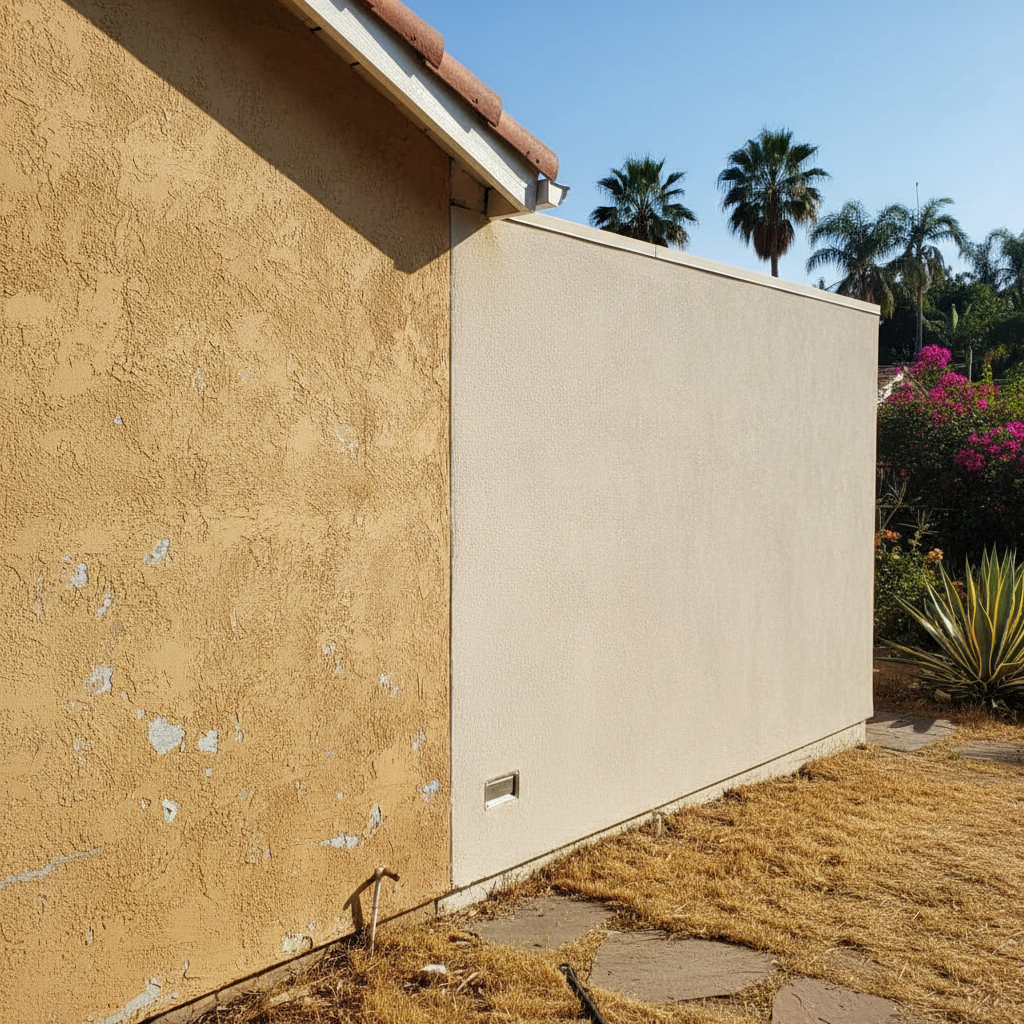
Got stucco? Most homes around here do, especially those beautiful Spanish-style places up in the San Rafael Hills. And if you've got stucco, you'll eventually need to think about getting it checked out. But what kind of inspection? You've basically got two main options: a visual inspection or an invasive one. Let's break down what each means for your house and, you know, your wallet.
Visual Stucco Inspection: Just a Quick Look
A visual inspection is pretty much what it sounds like. Someone, usually an experienced stucco contractor like us at Apex Stucco, comes out and gives your home a good, thorough once-over. We're hunting for all the obvious stuff: cracks, discoloration, efflorescence (those white powdery stains), bulging, missing pieces, and any spots where water might be sneaking in, especially around windows, doors, and rooflines. We'll check the weep screed, the kick-out flashings, and just make sure everything looks like it's doing its job.
Cost: This is generally the cheaper route, often just a service call fee or sometimes even free if it's part of a bigger estimate for repair work. It's quick, doesn't mess anything up, and leaves no cleanup.
Durability & Maintenance Insight: A good visual inspection can tell you a lot about the surface condition and point out potential trouble spots. You might find out your stucco is totally fine, or you might spot a few small cracks that need patching before they turn into major headaches. It's great for routine check-ups or if you're just starting to notice minor issues, like a hairline crack or two.
Appearance: No impact here. We're just looking, not touching or cutting.
The Catch: The big limitation with a visual inspection is that it can't see behind the stucco. If you've got hidden water damage, mold, or rot brewing underneath, a visual inspection simply won't catch it. It's like checking the paint on your car for rust – you'll see it when it breaks through, but not when it's just starting on the metal underneath.
Invasive Stucco Inspection: Getting Under the Skin
Now, an invasive inspection is a whole different ballgame. This is when we actually make small, strategic cuts or drill holes into your stucco to get a look at what's going on behind it. We use moisture meters to find areas where the moisture is high, and then we open up those spots to visually inspect the sheathing, framing, and weather-resistive barrier (WRB). We're checking for rot, mold, and to make sure the flashing and other components that are supposed to keep water out were installed correctly.
Cost: This is definitely more expensive. It takes more time, specialized tools, and skill, obviously. You're paying for the labor to open up the walls, inspect, and then patch everything back up. It's an investment, for sure, but a necessary one if you suspect serious issues.
Durability & Maintenance Insight: This is the most thorough way to figure out the true condition of your stucco system. An invasive inspection can uncover hidden structural damage, confirm proper installation, or identify systemic problems that a visual check would completely miss. If you're buying an older home, especially one that's had a few additions or remodels over the years, or if you've had persistent leaks, this is what you need.
Appearance: Yes, there will be small, patched areas. A good contractor will make these as inconspicuous as possible, but you'll know where they are. They're usually patched and painted to blend in.
Which One Do You Need?
Here's my take:
- Go visual if: You're doing routine maintenance, you've got a relatively new stucco system (less than 10-15 years old), or you're just seeing minor, superficial cracks and want to catch them early. It's also a good first step if you're just starting to notice some issues but aren't sure how bad they really are.
- Go invasive if: You're buying or selling a home, especially an older one in areas like Bungalow Heaven where homes have seen a lot of weather and maybe a few DIY repairs over the decades. You should also consider it if you've had persistent water intrusion, visible mold on interior walls, or if a visual inspection points to significant red flags that suggest underlying problems. If your home has EIFS (synthetic stucco), an invasive inspection is almost always recommended because it's a higher risk for hidden moisture issues.
For typical Pasadena conditions, where we get hot, dry summers and then those intense, short rainfalls, water management is crucial. If your stucco isn't installed perfectly, those heavy rains can find their way in. A visual inspection is a great starting point for most homeowners, but don't shy away from an invasive inspection if the signs point to deeper problems. It's about protecting your biggest investment, after all.