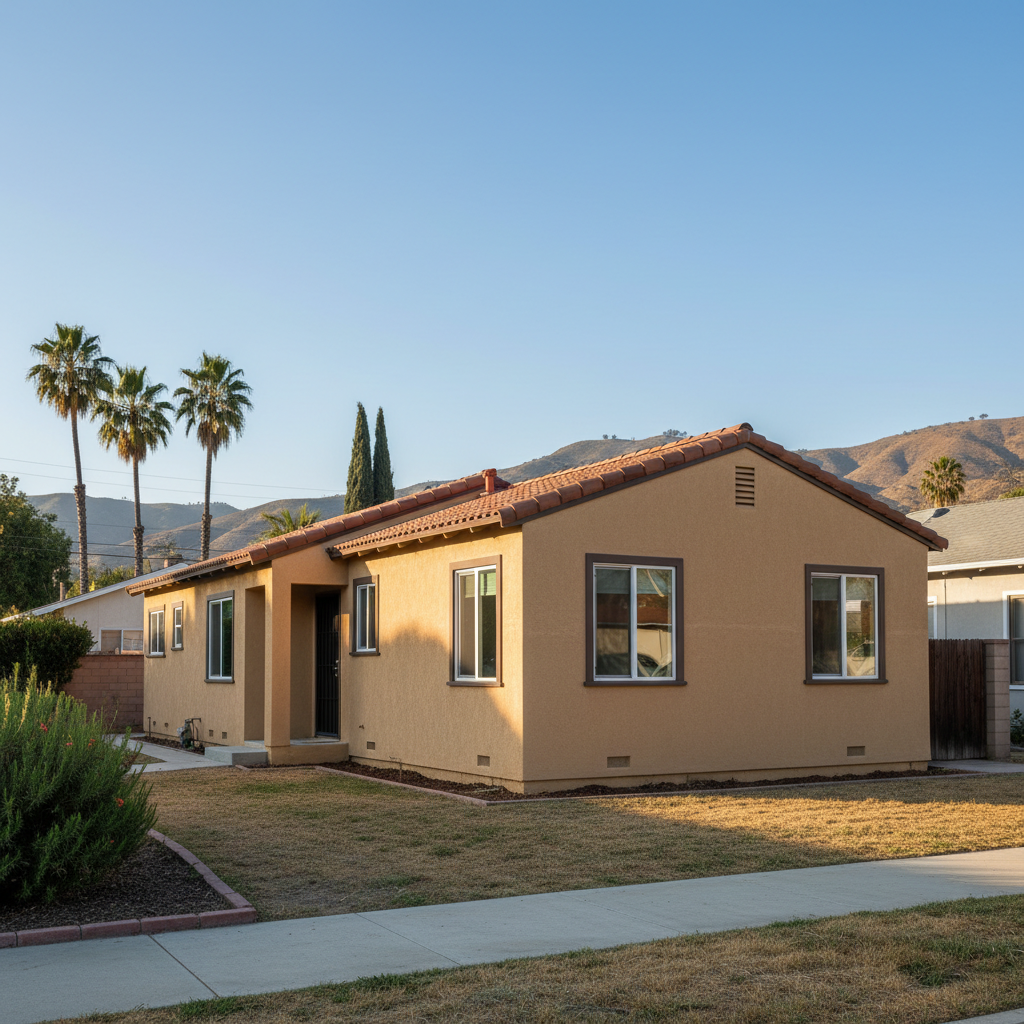
EIFS, or Exterior Insulation and Finish System, is a smart choice for a lot of homes and businesses here in Pasadena. It gives you great insulation, a durable finish, and can look fantastic. But let's be real, the first thing on most people's minds is, "How much is this going to cost me?"
What Drives EIFS Pricing?
It's not a simple, one-size-fits-all answer, because every job is different. Think of it like buying a car — a compact sedan isn't the same price as a luxury SUV, even if they both get you from A to B. Here's what we look at when we're putting together a quote:
- Square Footage: This is the most obvious one. More wall space means more materials and more labor. Simple as that.
- System Type: There are different types of EIFS, you know. A barrier system is generally less expensive than a drainage system, which includes a moisture barrier and drainage plane. For our climate, especially with those heavy winter rains we get sometimes in areas like the San Rafael Hills, a drainage system is almost always the smarter, more protective choice. Even if it adds a bit to the upfront cost, it's worth it.
- Insulation Thickness: EIFS comes with different R-values, which is how well it insulates. Thicker insulation means better energy efficiency, but it also means more material cost.
- Finish Texture and Color: A smooth, fine finish might be quicker to apply than a heavily textured, multi-color design. Custom colors or specialized aggregates can also bump up the price.
- Architectural Details: Lots of intricate details like cornices, bands, quoins, or arches? These take more time and skill to execute properly, increasing labor costs. Flat walls are definitely faster.
- Accessibility: If we need scaffolding, lifts, or special equipment to reach high walls or tricky spots, that adds to the overall project cost. A single-story ranch home is just easier than a three-story Victorian, period.
- Existing Substrate Condition: Are we going over existing stucco, brick, or sheathing? If there's extensive prep work needed, like repairing damaged sheathing or removing old siding, that'll be factored in.
- Permits and Engineering: For larger projects, you might need engineering plans and city permits, which are additional costs you'll need to cover.
Typical EIFS Cost Ranges in Pasadena
Okay, let's get to some numbers. Based on what we see around here, you can generally expect to pay anywhere from $10 to $25 per square foot for EIFS installation. That's a pretty wide range, I know, but it really depends on those factors I just mentioned.
- Basic, straightforward job: For instance, simple walls, a standard finish, or a barrier system. You might be looking at the lower end, say $10-$15 per square foot.
- Mid-range project: This is where most residential projects land. Think some architectural details, a drainage system, good insulation — probably closer to $15-$20 per square foot.
- Complex, high-end installation: Intricate designs, thick insulation, specialized finishes, difficult access. You'll be in the $20-$25+ per square foot range.
Remember, these are just averages. A small repair job will have a higher per-square-foot cost because of mobilization and setup fees, while a massive commercial building might get a slightly lower rate on materials due to bulk purchasing. That's just how it goes.
What Should a Good Quote Include?
When Apex Stucco gives you a quote, we make sure it's clear. Here's what you should expect from any reputable contractor:
- Detailed Scope of Work: Exactly what's being done, step-by-step.
- Material Specifications: The type of EIFS system, insulation thickness, finish type, and color.
- Surface Preparation: What needs to happen before the EIFS goes on.
- Labor Costs: How much for the crew.
- Permit Costs: If applicable, who is responsible for obtaining and paying for them.
- Warranty Information: What kind of warranty you're getting on materials and labor.
- Payment Schedule: Clear milestones for payments.
- Start and Estimated Completion Dates: A realistic timeline.
- Cleanup and Debris Removal: Who handles it.
How to Avoid Overpaying for EIFS
Nobody wants to get ripped off. Here's my advice:
- Get Multiple Quotes: Don't just go with the first guy. Get at least three detailed bids. This helps you compare apples to apples.
- Understand the Details: Don't be afraid to ask questions. If something in the quote isn't clear, ask for clarification. A good contractor will take the time to explain it.
- Check References and Reviews: See what other people in Pasadena say about their work. Online reviews are a good start, but personal references are even better.
- Verify Licensing and Insurance: Make sure the contractor is licensed (CSLB) and fully insured. This protects you if something goes wrong.
- Don't Chase the Lowest Bid: The cheapest option isn't always the best. Sometimes a significantly lower price means corners are being cut, or they're using inferior materials. You'll pay for it later.
- Look for Experience with EIFS: EIFS is a specialized system. You want someone who knows the ins and outs, not just a general stucco guy trying something new.
Investing in EIFS is a big decision, but it can significantly improve your property's energy efficiency and curb appeal. Do your homework, ask the right questions, and you'll get a fair price for a quality job.