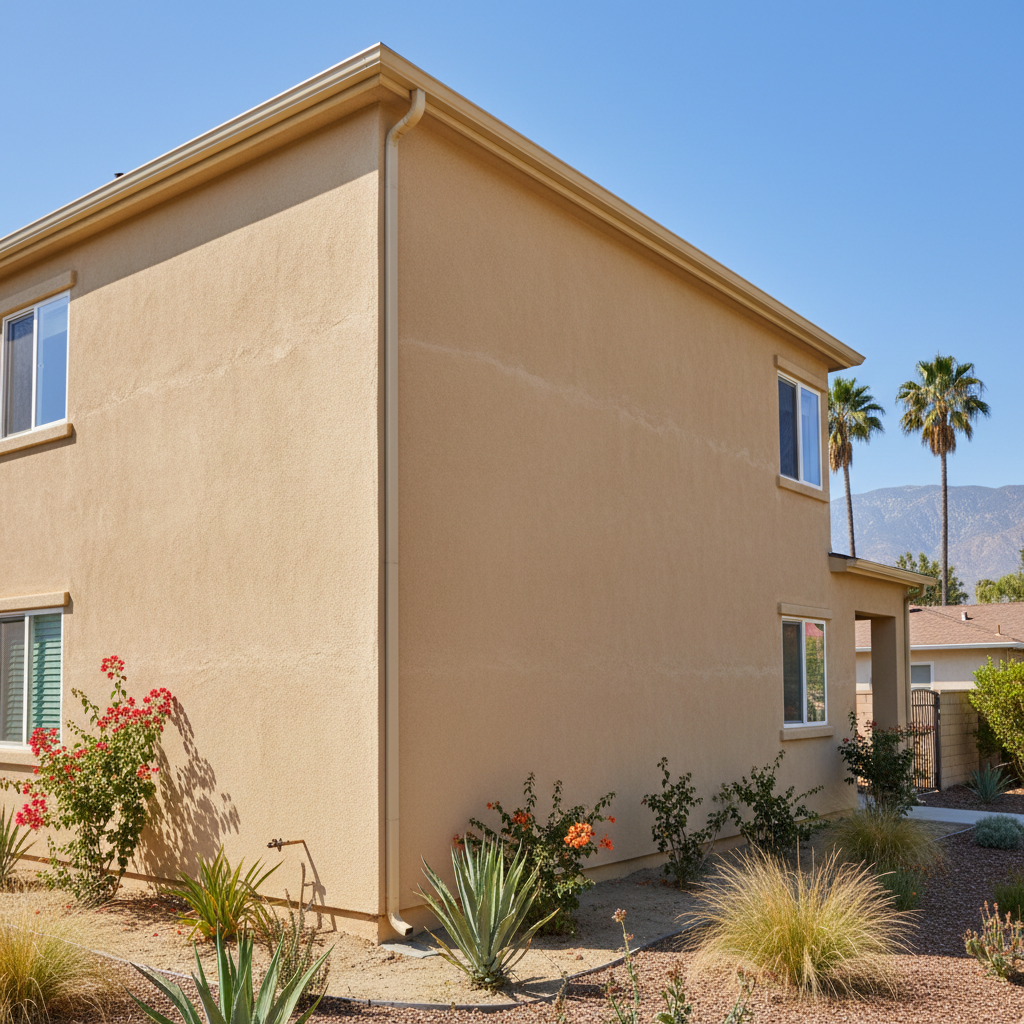
Alright, let's talk about commercial stucco projects here in Pasadena. Maybe you're a business owner, or you manage a property, and you've got a stucco job coming up. It's a big investment, no doubt, and you want it done right. But I've seen folks trip over the same old hurdles time and again. So, let's just get straight to it: what are the most common mistakes I see, and how can you avoid them?
Ignoring the "Why" Behind the Damage
This one's huge. You spot cracks, peeling, or water stains on your commercial building's stucco, and your first thought is probably, "Time for new stucco!" Hold on a minute. Before you even think about hiring someone to patch or re-stucco, you really need to figure out why the damage happened in the first place. Is it just plain old age? Or is there something deeper going on, like structural movement, bad drainage, or even a hidden leak? I've seen jobs where a contractor just slapped new stucco right over existing problems, and guess what happened? The problems came back, sometimes even worse, a year or two later. You've wasted money, and your building still has issues. What a headache.
You need a contractor who's going to investigate, not just give you a quick quote. They should be asking questions, checking your roofline, looking for proper flashing around windows and doors, and even considering the soil conditions around your foundation. That's especially true with our clay-rich soils in places like San Rafael Hills, which can expand and contract and really stress a structure. If they're not digging into the root cause, that's a big red flag. Remember, you're not just buying stucco; you're buying a solution to a problem.
Underestimating the Scope of Work (and the Budget)
Commercial projects are almost always more complicated than residential ones. You've got different building codes, sometimes more intricate architectural details, and often, you need to work around ongoing business operations. A common mistake is getting a quote based only on square footage, without a thorough walk-through. That's kind of like trying to price a car just by its length. It just won't work.
You need to think about things like scaffolding for multi-story buildings, permits, maybe even lead or asbestos removal if it's an older structure, and the cost of protecting landscaping or neighboring businesses. I've seen business owners get quite a shock when all the "extras" start piling up because they didn't get a detailed, all-inclusive quote from the start. A good contractor, like us at Apex Stucco, will break down every single line item so you know exactly what you're paying for and why. No surprises, that's the goal.
Not Checking Contractor Credentials and Insurance
This sounds obvious, right? But you'd be surprised how many people skip this step, especially when they're in a rush or trying to save a few bucks. For a commercial project, this isn't just about feeling good; it's about protecting your business from massive liability.
Make sure your contractor is properly licensed by the CSLB (Contractors State License Board) for stucco work (C-35 is the one you want to see). Ask for proof of general liability insurance and workers' compensation insurance. Don't just take their word for it, either; ask for those certificates directly from their insurance provider. If someone gets hurt on your property, or if there's damage during the project, and your contractor isn't properly insured, that liability could land squarely on your shoulders. And that's a risk no business owner should ever take.
Ignoring the Importance of a Detailed Contract
A handshake and a verbal agreement might work for borrowing a cup of sugar, but definitely not for a commercial stucco job. You need everything in writing, and it needs to be detailed. This isn't just about the price; it covers the scope of work, the materials they'll use (brand, type, color), the timeline, payment schedule, warranty info, and what happens if you need change orders. Believe me, things change.
Without a clear contract, you're just opening yourself up to arguments, delays, and cost overruns. What if the contractor decides to use a cheaper material than you talked about? What if the job takes twice as long as they promised? A solid contract protects both you and the contractor, making sure everyone is on the same page right from day one.
Thinking All Stucco is Created Equal
Stucco isn't just one thing, you know. There are different types, different finishes, and different ways to apply it. For a commercial building, you might be looking at traditional three-coat stucco, one-coat systems, or even EIFS (Exterior Insulation and Finish Systems). Each has its good points and bad points, different costs, and suitability for various applications and climates. For instance, a building near the Rose Bowl might need different considerations for sun exposure and potential wind-driven rain compared to one tucked away in a shaded canyon.
A mistake I often see is property managers or even homeowners asking for a specific type of stucco without really understanding if it's the best fit for their commercial building's structure, age, or what they want it to look like. A good stucco contractor will teach you about the options and recommend the best solution for your specific project, not just give you what you think you want. They'll explain why one system might be better for durability, energy efficiency, or maintenance in a commercial setting.
Ultimately, doing your homework and asking the right questions upfront will save you a ton of grief and money down the line. Don't rush into this. Take your time, really check out your contractors, and make sure you understand every part of the project. Your business deserves a quality finish that actually lasts.